Seasonal Guide to Paddling the River Wye: Spring, Summer, Autumn and Winter Conditions
Water levels, weed, crowds and cold shift through the year on the Wye. Here's how.
The River Wye is one of the finest multi-day paddles in Britain: roughly 134 miles of mostly grade I–II water, running from the high ground above Rhayader down through Hay-on-Wye, Hereford, Ross-on-Wye and Monmouth to the tidal mud of the Severn Estuary at Chepstow. But the river you meet in February is not the river you meet in July. Levels swing from bony, scrapey shallows to full spate, weed beds rise and die back, hire fleets and campsites fill and empty, and the temperature of the water decides what you wear and how much margin you have when something goes wrong.
This guide takes the Wye season by season — what the water is doing, what the banks and car parks look like, and what that means for your kit list and your plan. Treat the dates as rough bands rather than rules. A wet May can behave like March, and a dry October can paddle like August.
Spring: The Classic Season (March to May)
Spring is, for many paddlers, the best of the Wye. Winter rain and melting snow on the Welsh uplands keep the river topped up, often at a level that lifts the gravel shallows and gives you a clean, quick run without pushing you into flood. The weed has not yet grown in, so the water is clear, the channels are honest, and you can read the riffles and see where the deeper line runs.
The trade-off is temperature. The air might be 14°C in late March while the water is still around 7 or 8°C, and cold-water shock is a genuine risk if you swim. Dress for immersion, not for the car park: a drysuit, or a good wetsuit with a windproof shell and a spare layer in a dry bag.
What to expect on the water
- Levels: generally healthy and often rising after rain, with the occasional big spate that puts the river out of reach for a day or two.
- Crowds: quiet through March, busy from Easter onward, especially Glasbury to Hay-on-Wye and Symonds Yat at weekends.
- Wildlife: sand martins, kingfishers, early ospreys and the first mayfly hatches, with herons standing in every bend.
- Watch for: snowmelt pulses from mid-Wales that arrive a day or two after warm weather, and strainers left behind by winter floods.
Summer: Low, Weedy and Busy (June to August)
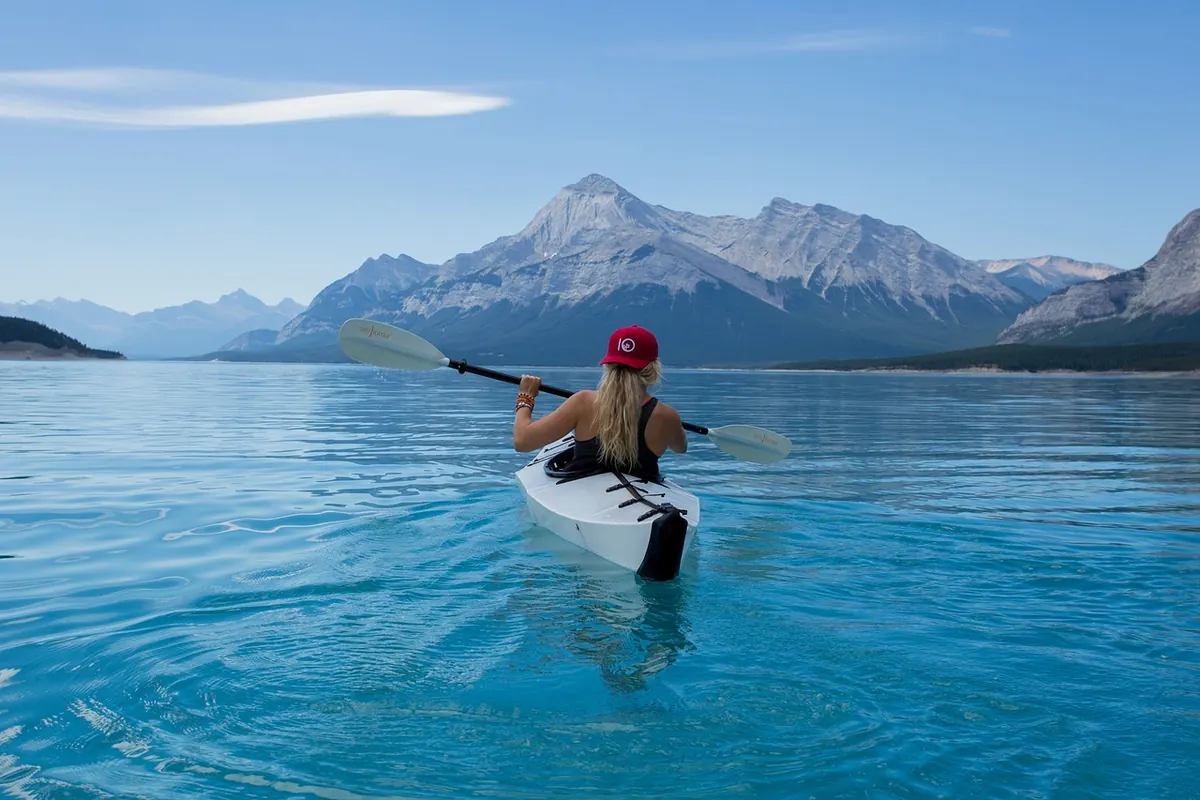
Summer is the season of long, warm days, easy water and the biggest crowds. This is when families and first-timers flood onto the river, and for good reason: the water is forgiving, the banks are green, and a lazy drift from Glasbury to Hay or Ross to Monmouth feels like the easiest day out in the world.
The catch is flow. By July the Wye is often running low, and in the shallower upper reaches you will hear the scrape of plastic on gravel. Weed growth — the river crowfoot that the Wye is famous for — fills the channels and can grab a paddle blade or slow a loaded canoe to a crawl. Recent summers have also brought algal blooms and water-quality warnings, so keep an eye on local notices before you launch.
Practical summer tactics: start early, take more water than you think you need, use high-factor sunscreen on your knees and neck, and tether hats and sunglasses. Shade is scarce in the middle of the day, and the difference between a 9am start and an 11am start on a hot Saturday is the difference between a peaceful river and a queue at the get-out.
Summer highlights and hazards
- Levels: low and falling; some sections become a wade rather than a paddle.
- Crowds: heaviest of the year, with hire canoes, paddleboards and swimmers all sharing the same pools.
- Wildlife: dragonflies, damselflies, otters at dusk and noisy rafts of young ducks.
- Watch for: thunderstorms and flash spates after heavy showers, plus sunburn and dehydration.
Autumn: Falling Leaves, Rising Water (September to November)
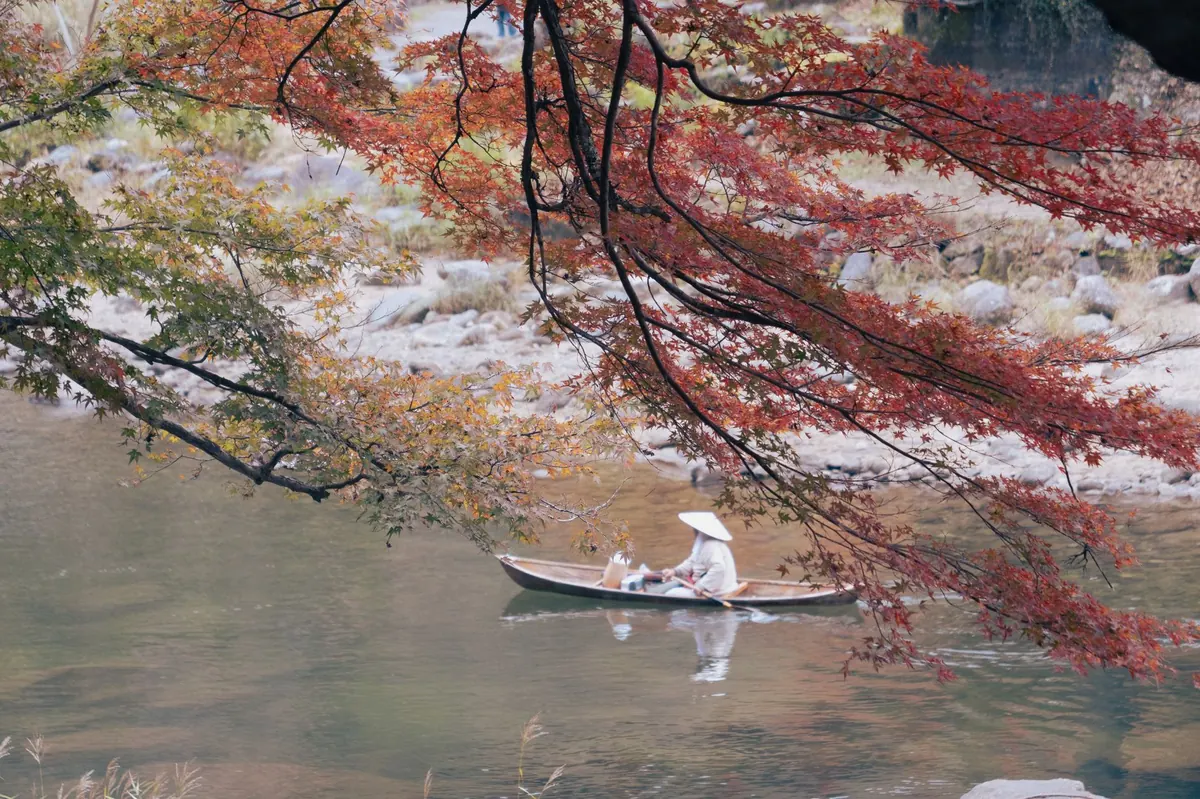
Autumn is the connoisseur's season. The hire fleets thin out after the first week of September, the weed dies back, and the first proper Atlantic fronts push the river back up to a level that suits loaded boats. The woods along the Wye turn gold and copper, the mornings come with mist on the water, and on a weekday in October you can paddle for hours without seeing another boat.
Levels are more consistent in autumn than at any other time of year, but they are also more variable within a single week: a dry spell in early September can leave the river low, while a wet October can produce a spate that closes the river entirely for a day or two. Check the gauge the night before and again in the morning.
This is also the season of migrating fish. Salmon and sea trout run up the Wye in autumn, and the fishing season on the river closes in mid-October. Give anglers a wide berth, pass quietly on the far side of the pool, and remember that a shared river works best when everyone is courteous.
On the Wye, the calendar tells you what to expect. The gauge tells you what you are actually getting.
Winter: Beautiful, Brutal and for the Prepared (December to February)
Winter on the Wye is not a beginner's season. The river spends much of it high, brown and fast, and after heavy rain it spills over its banks at Hereford, Ross-on-Wye and Monmouth. Floodwater brings hidden strainers, changed channels, cold, fast-moving water and banks that offer nowhere safe to climb out. In spate, the correct decision is almost always to stay home.
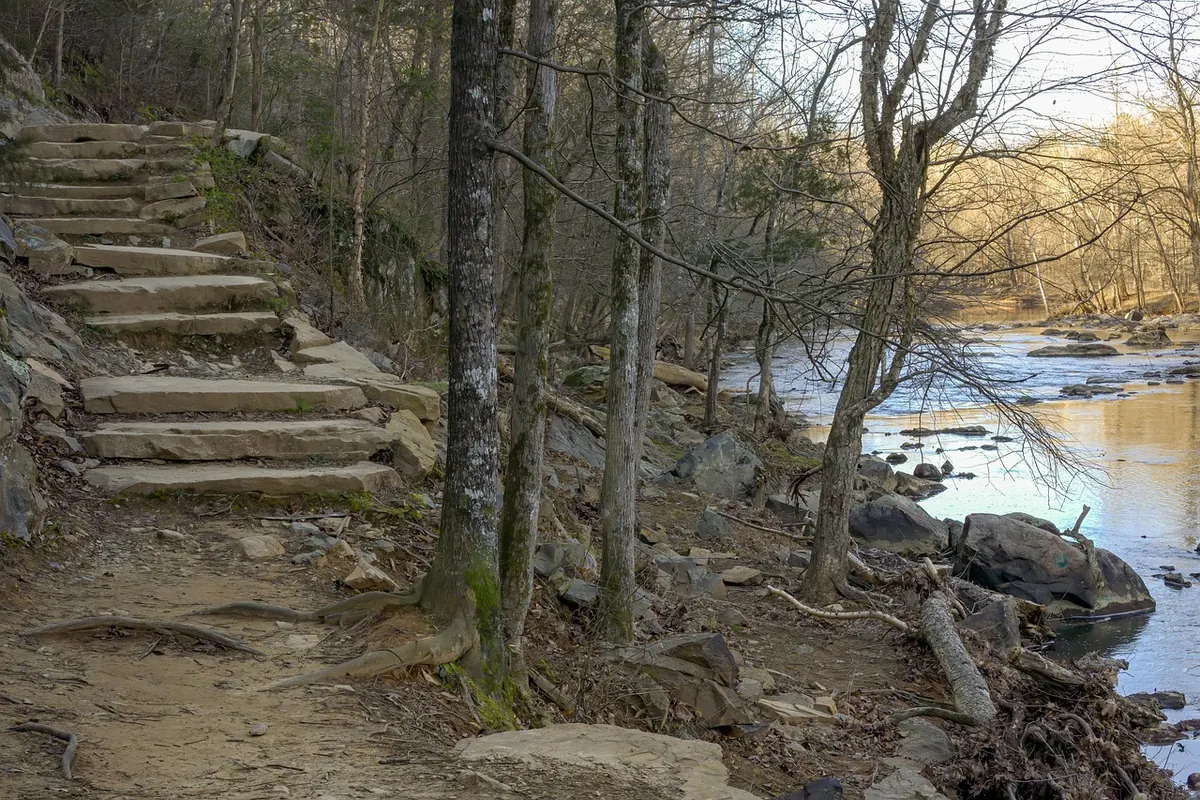
But between the floods there are days of hard frost and low, glassy water that are genuinely magical. The trees are bare, the views open up, and the river is yours alone. If you go, go prepared: full drysuit, thermals, hot flask, spare gloves, a headtorch in case the short day catches you out, and a strict plan to be off the water well before dark. Cold-water immersion in January is a different order of emergency to a summer swim, and help on the bank is far harder to find.
Reading the Gauge: Planning Beyond the Calendar
The single most useful habit you can build as a Wye paddler is checking live river levels. The Environment Agency and Natural Resources Wales both publish gauge readings, with useful stations at Glasbury, Bredwardine, Hereford, Ross-on-Wye and Monmouth. Absolute numbers matter less than the trend: a river falling steadily after a spate is usually a joy, while a river rising fast is a warning, however inviting the level looks on the screen.
Use the online level together with these local signals:
- Colour: clear green-brown water means the river has settled; chocolate brown means it is still carrying the flood.
- Bank debris: fresh grass and twigs caught in branches above head height show how high the water recently reached.
- Rain radar upstream: the Wye responds to rain in the Welsh hills, so look at the whole catchment, not just the sky above your head.
- Local knowledge: hire companies and outdoor centres know their stretch intimately; a quick phone call can save a wasted day.
Downstream of Bigsweir, the Wye becomes tidal, and the lower stretch below Brockweir and Chepstow is a different river again. Paddle with the tide, plan around high water, and on big spring tides you may even catch a glimpse of the Wye bore — a small wave of incoming water pushing upstream.
A Four-Season Kit and Safety Checklist
Your kit list should follow the water temperature, not the month. Here is a simple framework that works all year on the Wye:
- Spring: drysuit or wetsuit, thermal base layer, spare fleece in a dry bag, windproof shell, gloves.
- Summer: lightweight paddling gear, sun hat, sunglasses with a tether, plenty of water, waterproof sunscreen, insect repellent for the evenings.
- Autumn: drysuit or wetsuit with an extra layer, warm flask, midge repellent, a headtorch as the days shorten fast.
- Winter: full drysuit with warm layers, neoprene hood and gloves, hot drink, spare dry clothes left in the car, and a conservative plan that allows for early exit points.
Whatever the season, carry a buoyancy aid, a helmet on the rockier sections, a throwline, a phone in a waterproof pouch, and a first-aid kit. Tell someone your route and your expected get-out time. Group up on the water, and never paddle alone on a rising river.
The Wye rewards attention. Learn its moods by season, watch the levels, respect the cold and the floods, and you will find that this river has a good day waiting for you in every month of the year — you just have to know which one you are being offered.
Photo: Tien Nguyen / Pexels