Campfire Safety and Cooking for Riverside Camping: A Beginner's Guide
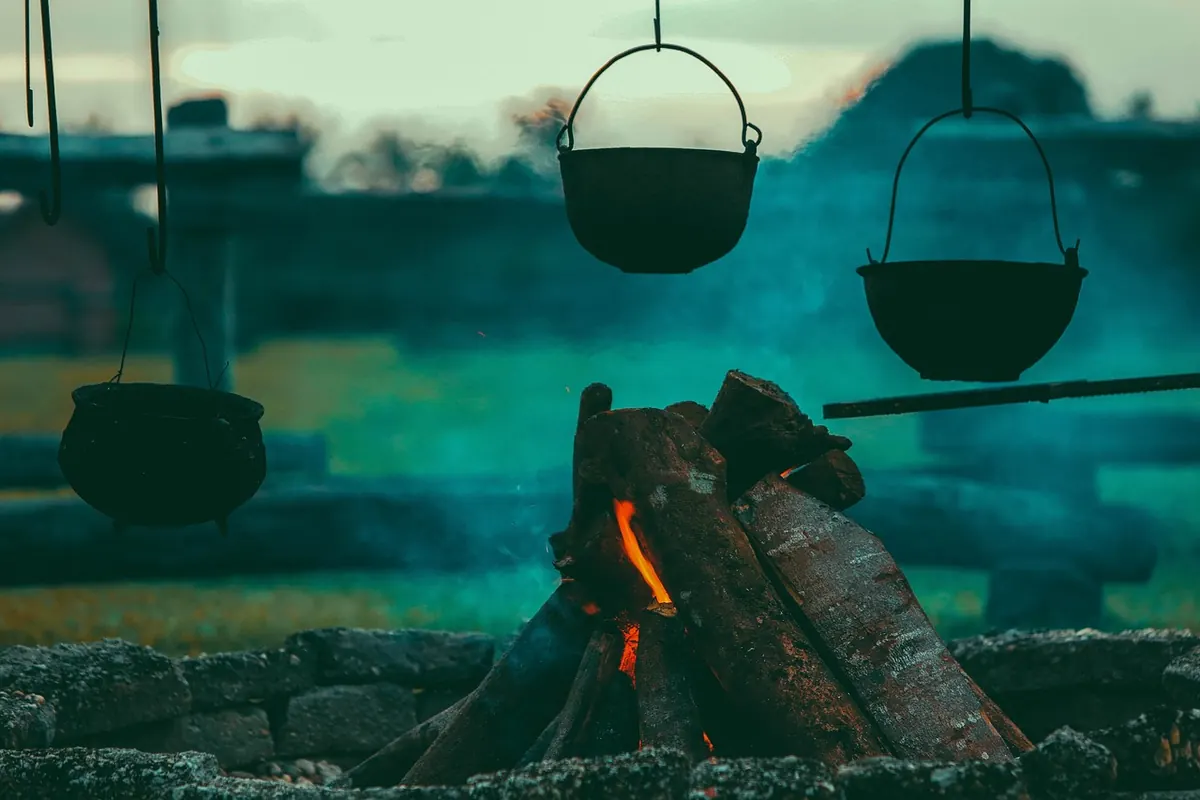
A river campsite asks more of a fire than a sheltered forest site does. In the evening the breeze turns and runs down the valley, the ground under your boots is often sand or gravel, and the trees that shade you at lunchtime are the same ones dropping dry branches overhead. Get it right and a riverside fire is the best hour of the trip: socks drying on a stick, water coming to a boil, light sliding off the current. Get it wrong and you scorch a bank, wreck a skillet, or spend the night watching sparks. Here is the practical version, from picking the spot to putting the last coal to bed.
Start With the Rules, Not the Matches
Fire rules change by land manager, season and even by the week. A stretch of river that allowed fires in May may be under a total ban in August. Before you pack the frying pan, check the land agency's website or call the local ranger station, and read the signs at the access point rather than the ones you remember from last year.
Many riverside areas allow fires only in an existing steel or stone ring, or only above the high-water line. Some prohibit collecting wood from the bank altogether. If fires are banned, a small gas stove still gives you hot food and coffee, and it is the difference between a legal trip and an expensive one. If you are unsure about the rules where you are going, ask before you light anything.
Two riverside hazards worth knowing
Rocks from the river. They look perfect for ringing a fire and they are a bad idea. River rock holds moisture, and heat turns that moisture to steam, which can crack the stone and throw fragments. Use the ring that is already there, or a metal fire pan.
Wind. River valleys funnel air. A fire that seems calm at seven o'clock can be throwing embers at eight. Site your pit with the prevailing evening wind in mind, and keep your spare wood upwind of the flames.
Building a Pit That Won't Get Away From You
Use an existing ring first, every time. If there is none and fires are permitted, a fire pan is the cleanest option. If you must dig, choose bare mineral soil, not grass or leafy duff, and scrape the top layer aside. The duff is what actually carries fire along the ground.
Dig a shallow pit, roughly the depth of your hand, and keep the removed soil in a pile for later. Clear a few feet around it down to bare ground. Stay well away from overhanging branches, exposed roots, dry brush and your tent. A bucket of water and a shovel should be within arm's reach before the first match is struck, not fetched afterwards.
- Existing ring, fire pan or shallow pit in mineral soil
- No river rocks, no fire under low branches
- Clear ground for several feet in every direction
- Water and shovel within reach
- Fuel stacked upwind, away from the flames
Know What to Burn
Good campfire wood is dead, down and dry, and no thicker than your wrist. Sort it by size as you gather: pencil-lead tinder, pencil-thick kindling, wrist-thick fuel. Small pieces light easily, burn hot and leave clean ash. If you cannot snap a piece over your knee, it is too green or too wet.
Leave standing dead trees alone; they are food and housing for birds and insects. Do not peel bark from living trees, and do not break branches off standing timber. Driftwood along the bank is tempting, but in many places collecting it is prohibited and it is often damp, spitting and sparky. Check first.
Do not bring firewood from home. Moving wood moves pests and diseases. Buy local or certified wood near the site, or gather what is already on the ground where that is allowed.
Never burn plastic, foil, cans, glass, treated or painted lumber, or the plywood offcuts from the garage. Skip petrol, lighter fluid and other accelerants. Cotton balls rubbed with petroleum jelly, a bundle of dry grass, or a candle stub will get a fire going without the drama.
Cooking Over a Riverside Fire
The single biggest beginner mistake is cooking over flames. Flames are soot and guesswork. Coals are steady heat. Build a fire slightly larger than you need, let it burn down, then rake a bed of grey coals to one side and keep a small flame going on the other. That gives you a hot zone and a warm zone, which is all the control you need.
To judge heat, hold your open palm at cooking height above the coals and count. Three or four seconds is a good grilling heat. Six or seven is a gentle simmer. If you have to snatch your hand away instantly, wait.
Four meals that forgive inexperience
- Foil packets. Double-wrap chopped vegetables and sausage or fish in heavy foil, set them on coals, and turn with long tongs every few minutes. Listen for sizzling; that is your timer.
- Stick bread and skewers. Use green hardwood sticks, peeled, and hold them above coals rather than in the flame.
- One pot. A pot with a lid on a coal bed will cook rice, pasta or stew while you sit back. Stir once or twice and keep the lid on.
- Cast iron. A skillet or Dutch oven on a bed of coals is the most forgiving setup of all. For baking in a Dutch oven, put more coals on the lid than underneath; for simmering, reverse it.
Pack a small kit: leather gloves, long-handled tongs, a metal spatula, a pot with a lid, heavy foil, a wooden spoon and a trivet or flat stone to set hot pans on. When you wash up, strain food scraps from the water and pack them out. Greasy water goes in the rubbish bag, not the river.
Extinguishing a Fire, Step by Step
Plan the end of the fire before you start cooking. Stop feeding it at least half an hour before you want to sleep, and let it burn down to ash where you can.
- Drown the fire with water. Not a sprinkle — a proper soaking.
- Stir the ashes with a shovel or stick, breaking up every clump.
- Add more water and stir again.
- Feel the ash with the back of your hand, close to the surface. If there is any warmth at all, it is not out.
- Check it again in the morning before you leave.
Do not bury coals in sand and call it done. Buried embers can smoulder for hours and surface in the wind. And never leave a fire unattended, even for a quick swim in the pool you have been staring at all afternoon. A river breeze does not need your permission to restart it.
One safety note: never burn a fire, a stove or a smouldering barbecue inside a tent or any enclosed space. The fumes are dangerous and cannot be seen.
Leaving the Bank Better Than You Found It
Keep fires small, use the ring that exists, and if you dug a pit, put the soil and duff back and scatter the cold ashes widely, well away from the water. Do not tidy up by throwing food scraps or foil into the coals; they do not burn, and they draw animals to the site.
Stay out of the green strip along the water's edge where you can. Those plants hold the bank together, and a bare bank erodes with the next high water. Sweep the area for micro-trash — bottle caps, twist ties, bits of foil — before you go. If you find a new fire scar someone else left, report it to the land manager rather than adding to it.
A Short Checklist Before You Sleep
Fire cold to the touch. Water bucket emptied and put away. Food and anything scented stored according to local wildlife guidance — a fire does not make food safe from animals. Cooking gear scraped, wiped and packed. Site swept. Then sit for five minutes with the river in front of you. That part is not optional.
Photo: Pexels / Pixabay