Family Camping Checklist for a First River Wye Weekend
Most families arrive at their first River Wye campsite with a car that looks like it belongs to a removals firm and a plan involving a canoe, a barbecue and an early night. By Saturday lunchtime, half the kit is still in the boot and the children are already in the water. The trick isn't packing more. It's packing the right things for a river weekend, and knowing what you'll do when it rains, when the tent is too hot to sit in, and when everyone is hungry at once.
This checklist is built for a two-night trip with children, somewhere between Glasbury and Monmouth, probably in summer. Adapt it to your family. Don't skip the river bits.
Choose the pitch before you choose the kit
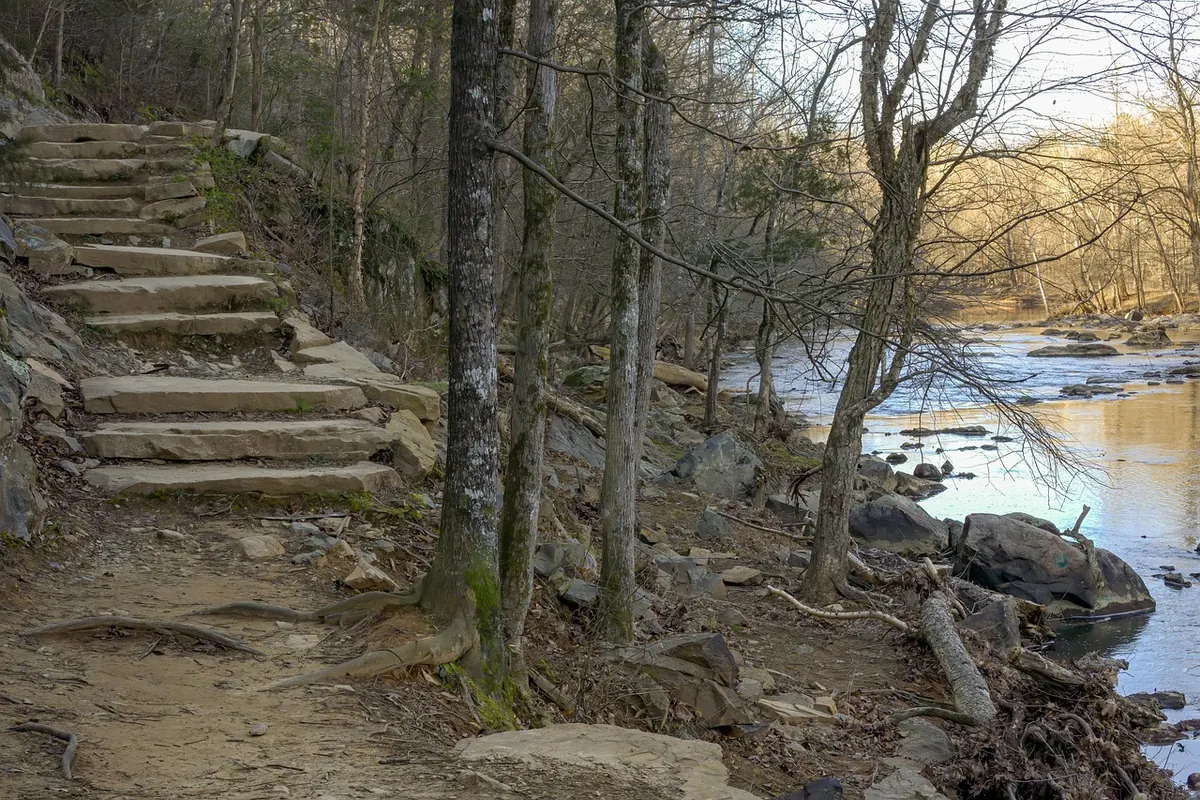
Riverside pitches go first, and a riverside pitch at a busy site in July is not the empty meadow in the photos. You want a short walk to the toilets in the dark and a slightly longer walk to the water. You also want to know what the bank does where you're staying: some sites have a gentle gravel shelf a child can paddle on, others drop straight into deep, moving water two steps from the tent. That single detail decides how relaxed your weekend feels.
Five things to ask when you book
- Is the pitch on high ground or on the floodplain? River meadows flood in winter and sometimes after heavy summer rain.
- How far is the nearest toilet block and drinking water tap?
- Is there shallow, easy access to the river, or is the bank steep?
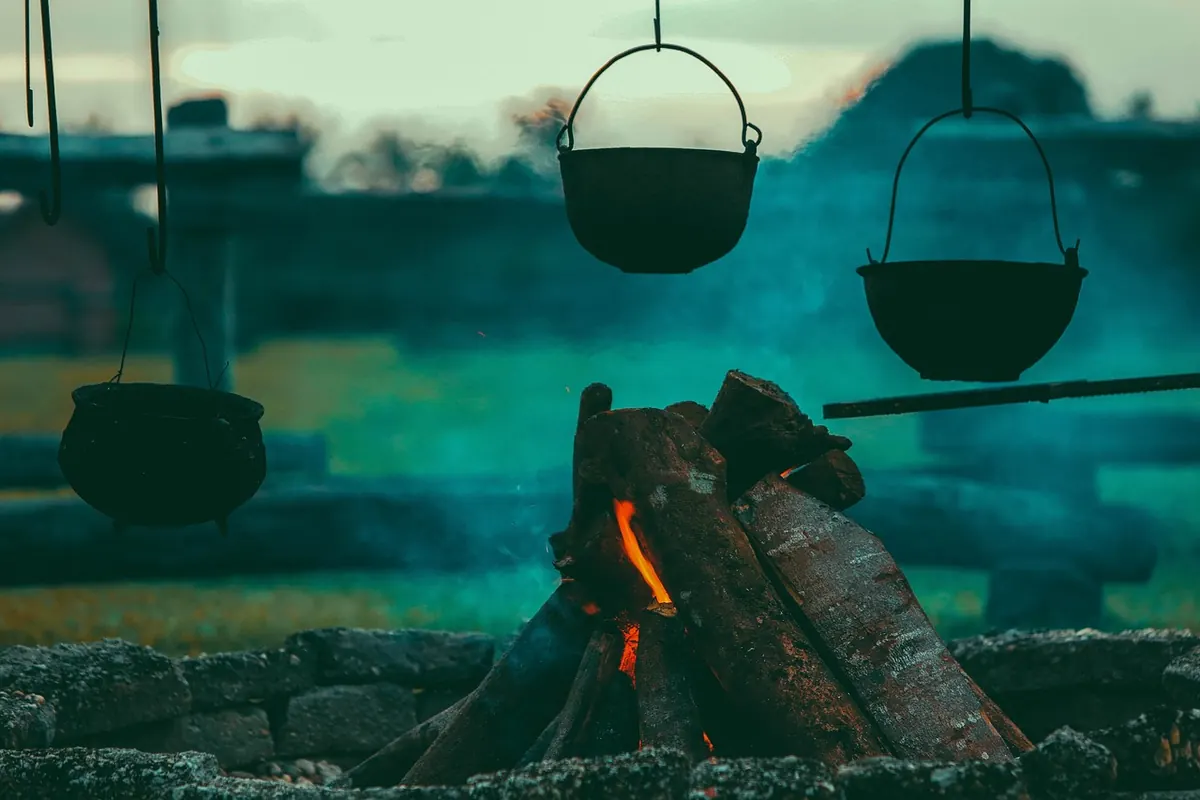
- Are fire pits or barbecues allowed, and can you hire one on site?
- Is there a freezer for ice blocks, or somewhere to charge a phone?
The camping basics your family actually needs
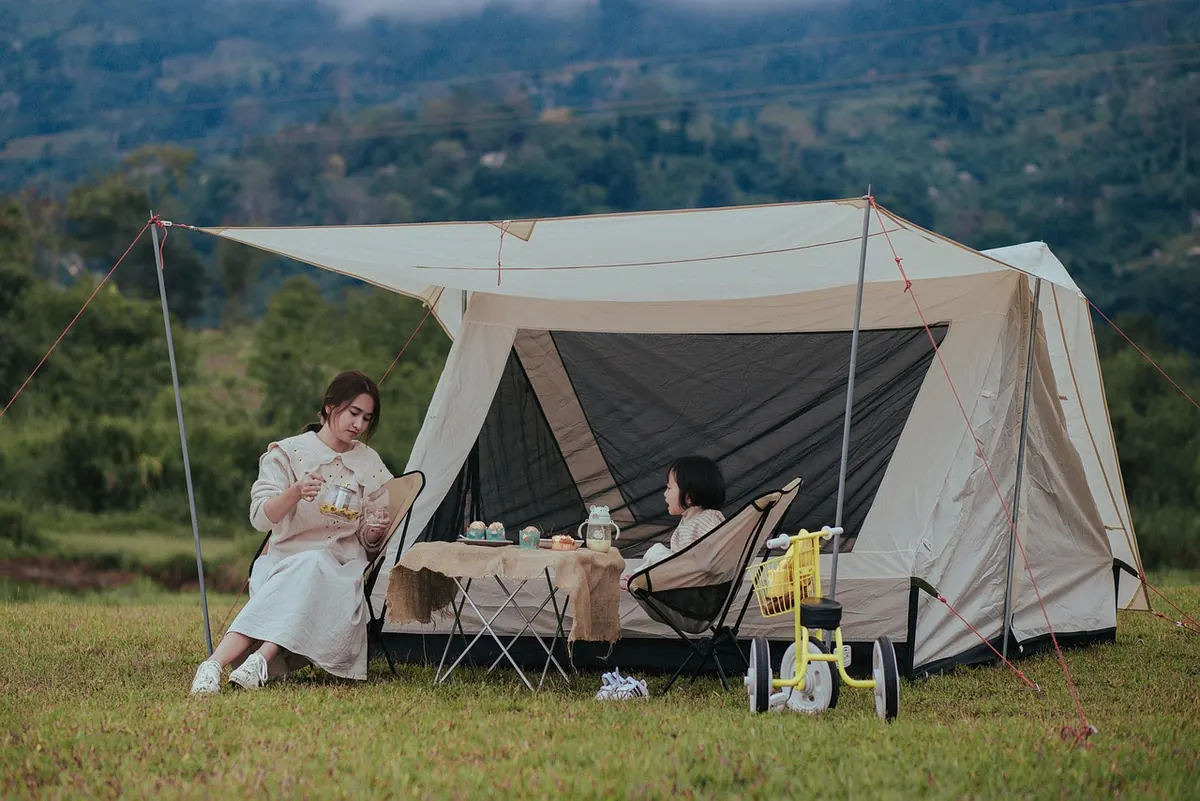
Take a tent one size bigger than the label suggests — you'll want floor space for bags as well as bodies — plus spare pegs, a mallet and a repair patch. Assume the nights will be two or three degrees colder than the forecast for the nearest town, and pack accordingly: sleeping bags, an extra blanket, mats or airbeds with a pump, and pillows from home, which make a bigger difference than any gadget.
- Headtorch or torch per person, plus a lantern for the tent
- Stove, fuel, lighter and a spare lighter
- One pan, one frying pan, chopping board, sharp knife, wooden spoon, bottle opener
- Washing-up bowl, cloth, bin bags, kitchen roll
- First-aid kit: plasters, antiseptic, tweezers for splinters, sun cream, insect repellent
- Two towels per child if they're swimming, and a bag for wet kit
If you're bringing medication for anyone in the family, check doses and storage with a pharmacist before you go, and keep it somewhere cool and out of the sun.
River kit: the things people forget
The Wye is a gentle river for most of its length, but gentle is not the same as harmless. It's wide, it's cold, and it moves. A child who can stand up in the shallows at the edge of the pitch cannot stand in the middle of the channel, so an adult stays within arm's reach whenever anyone is in the water.
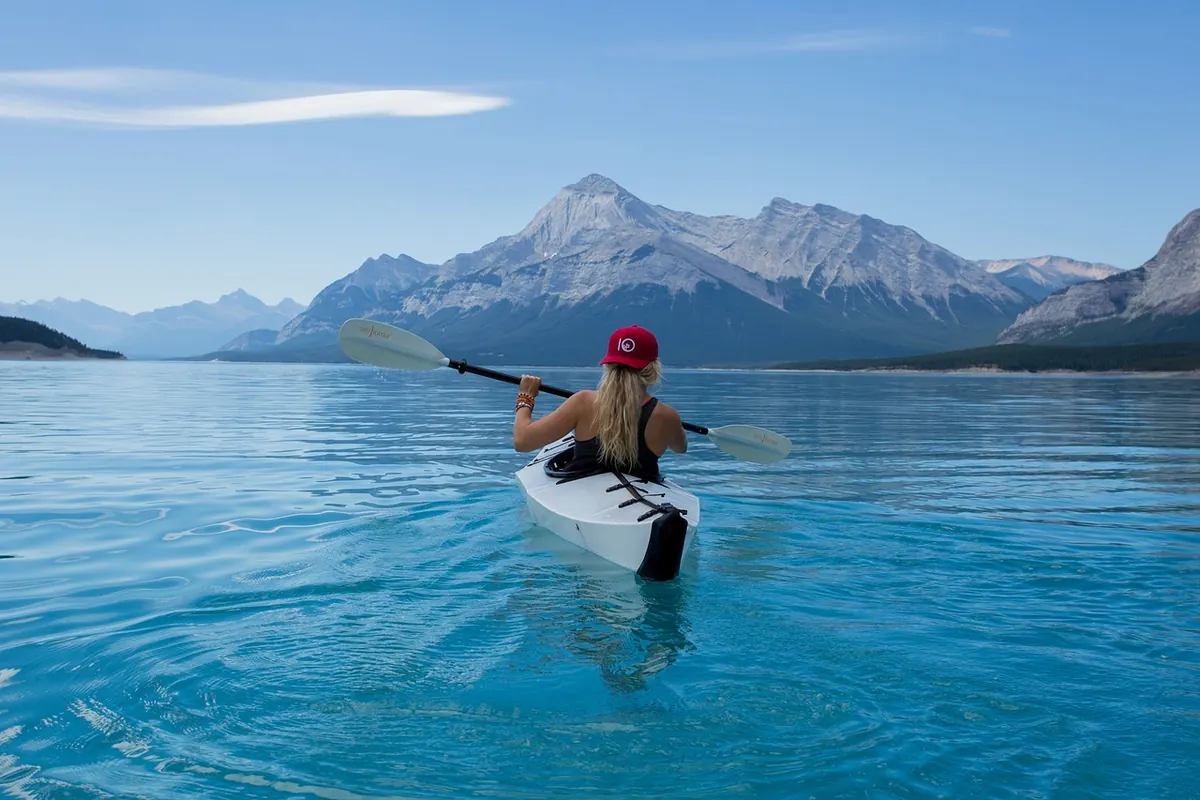
Beyond that, pack for wet. Water shoes or old trainers you don't mind soaking, a dry bag each for phones and car keys, a spare warm layer in a dry bag, and a change of clothes left in the car for the drive home. If you're hiring canoes, hire buoyancy aids with them and check the fit yourself — a loose jacket rides up and is worse than useless. A small plastic net, a bucket and a magnifying glass will keep children busy at the water's edge for an hour.
Food, water and the one-pan rule
Plan meals you can cook in a single pan: porridge or scrambled eggs for breakfast, bread, cheese and tomatoes for lunch, pasta or chilli for dinner. Snacks matter more than meals. Children between swims are bottomless, and a bag of apples, oatcakes and nuts headed off more meltdowns than any activity we've tried.
Bring more water than you think you need and refill bottles at the tap rather than carrying full containers from home. Keep food in a sealed box — wasps find a campsite fast, and mice find it faster. Freeze a couple of bottles of water on Thursday night and use them as cooler blocks; you can drink them once they thaw.
Keeping children happy between swims
A tarp or small gazebo gives you shade and a dry place to sit, which doubles as the base for everything else. Pack a pack of cards, a ball, a kite and a couple of books, and agree three rules on the first afternoon: where the boundary is, where the meeting point is, and that nobody goes near the water alone. A whistle each is cheap insurance. Most children settle into river life faster than their parents do — by Saturday evening they'll be turning over stones and asking to stay another night.
The week before: a short prep list
- Pitch the tent in the garden. Check poles, pegs and that nothing smells of last August.
- Charge power banks, headtorches and the pump. Test the stove with the fuel you're taking.
- Check the forecast and the river level a few days out. The Wye can rise quickly after rain in the Welsh hills.
- Write a list of anything you use in the last two days at home — it's the best packing list you'll ever make.
- Load the car on Thursday night, and tell someone where you're going and when you're due back.
Your first evening, in order
Arrive before dark if you can. Pitch the tent, get bedding sorted before you think about food, and eat early — children who have been in a car for three hours and then in a river for two more need feeding before anything else. After dinner, walk down to the water together and look at it in the evening light. Show everyone the route back to the tent, point out the meeting place and the taps, and set the boundary for tomorrow's exploring.
Then sit down. The river will still be there in the morning, and so will the bag you haven't unpacked. Wash hands before eating, cover any cuts before getting in the water, and don't drink from the river. Everything else can wait until after breakfast.
Photo: Jupilu / Pixabay