Common Canoeing Mistakes on Moving Water and How to Avoid Them
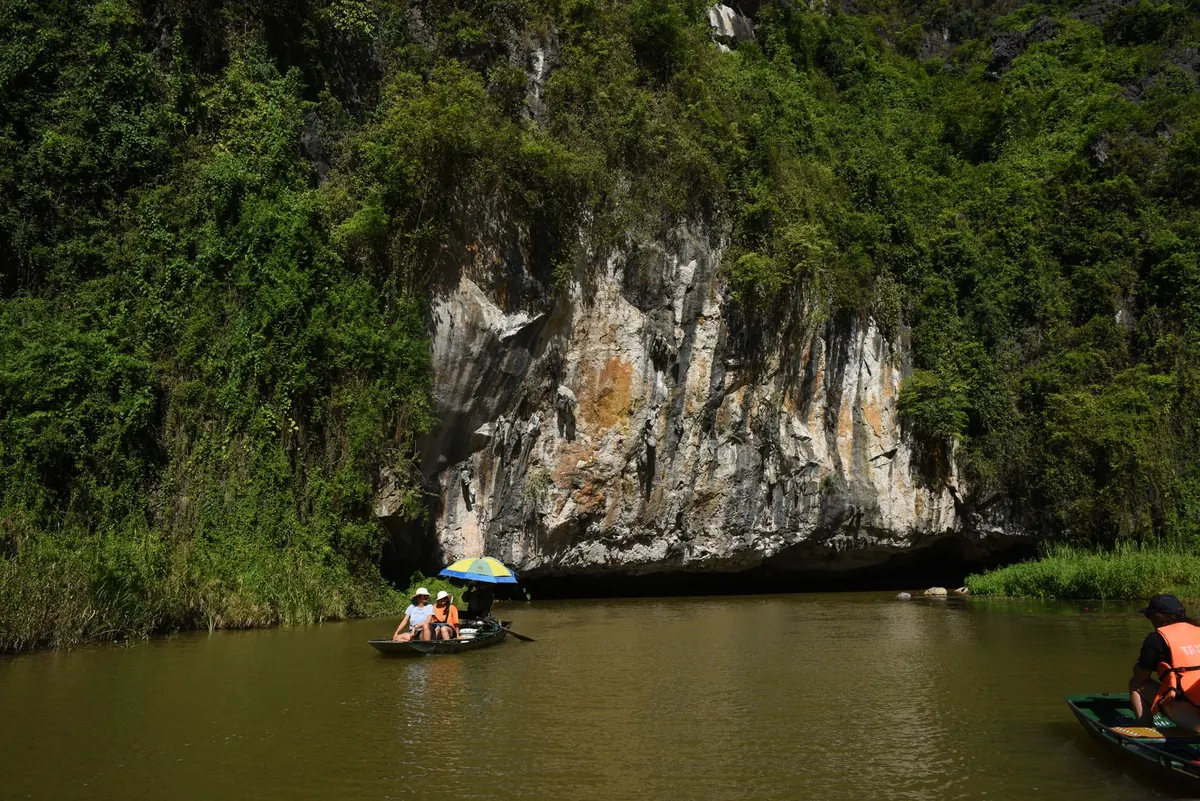
Moving water is honest. A pond forgives a lazy stroke, a sloppy angle, a paddler sitting wherever they happened to land. A river does not. It takes whatever you give it — a bad trim, a panicked sweep stroke, a half-second of hesitation at an eddy line — and turns it into a swim, a pinned boat, or a long, embarrassing drift downstream.
The encouraging part is that most river trouble comes from a short list of repeated habits. None of them require more muscle or a fancier canoe. They require trim, angle, edge, and attention, in roughly that order. Here is what goes wrong, and what to do instead.
The Quiet Mistake: Ignoring Trim
Trim is where the weight sits in the boat, front to back and side to side. Most paddlers never think about it. They drop into the seat, toss a dry bag behind them, and then spend the afternoon wondering why the canoe feels twitchy, sluggish, or weirdly determined to turn right.
Here is the practical version. A bow-heavy canoe drives its nose into waves, ships water, and feels slow to lift. A bow-light canoe rides over waves nicely, but drags its stern deeper, and that stern can catch in a wave or on an eddy line. Neither is automatically wrong. Many paddlers running straightforward rapids like a slightly bow-light trim, then move toward neutral for technical eddy work. What matters is knowing what you have and changing it on purpose.
Side to side is even more obvious once you feel it: a hull leaning half an inch to the left will turn left, and the low edge is the one that catches. If your friend's canoe always drifts the same way, look at the cooler.
- Slide packs, water jugs, or seats an inch or two and feel the difference. Small changes show up fast.
- Kneel when the water gets serious. A lower center of gravity gives you trim and edge control almost instantly.
- Test it: paddle straight, stop stroking, and watch which way the bow falls. That is your trim talking.
Oversteering: When the Paddle Becomes a Brake
Watch a nervous paddler enter a rapid. The stern paddler starts ruddering: a sweep here, a stern pry there, a blade dragged along as a brake. The canoe slows to a crawl, and now every wave can push it wherever it likes. A canoe turns because it is moving. Kill the speed and you have handed the decision to the current.
The fix is counterintuitive: paddle forward more than feels natural, and let the hull and the edge do the turning. One strong forward stroke, then a moment of patience. If you need to turn, a bow draw or a cross-bow draw is far more efficient than a long sweep from the stern.
The J-stroke deserves a mention, because most of us overdo it. The J should be a nudge at the end of a forward stroke, not a rudder. If your boat is wiggling down the flat sections, you are correcting too hard, too often.
Eddy Turns: Where Most Swims Begin
An eddy is slack water behind a rock or a bend, and using eddies is how you control your descent — rest, scout, reposition, catch your breath. It is also where good days go wrong.
The usual errors
- Crossing too late. Start the turn after the eddy has passed your bow and you will slide by it, then fight the current to get back.
- Wrong angle. Too steep and the current spins your stern downstream; too shallow and the bow never quite grabs the slack water.
- Too slow. Momentum carries you across the eddy line. Without it, the faster water simply pushes you around.
- Leaning away from the eddy. This drops your upstream edge into the current, which is the classic recipe for a capsize.
A cleaner eddy turn
- Choose the eddy early and pick the exact spot where you want the bow to land.
- Approach with speed, bow first, at roughly a 30 to 45 degree angle to the eddy line.
- As the bow crosses, tilt the hull toward the eddy, keeping the upstream edge light and up out of the current.
- Plant a bow draw, or use a stern pry, to help the boat pivot rather than skid.
- Look at your next move — the exit, the next eddy — not at the eddy line itself.
- Leave with a forward stroke. Sitting stalled in an eddy is how you drift back out sideways.
Staring at the Rock You Want to Miss
It happens to everyone. A boulder sits midstream, and your eyes lock onto it like it owes you money. Your body follows your eyes, your strokes get late, and you hit the thing you were trying to avoid.
Fix your gaze instead on the gap you want, the spot where the bow should go, and then the next feature downstream. On bigger water, practice looking three or four boat lengths ahead, past the wave you are currently climbing. If you catch yourself fixated on a hazard, deliberately turn your head toward the clean line and take one forward stroke. The boat usually follows.