Canoe vs Kayak for River Trips: Which Is Better for Beginners?
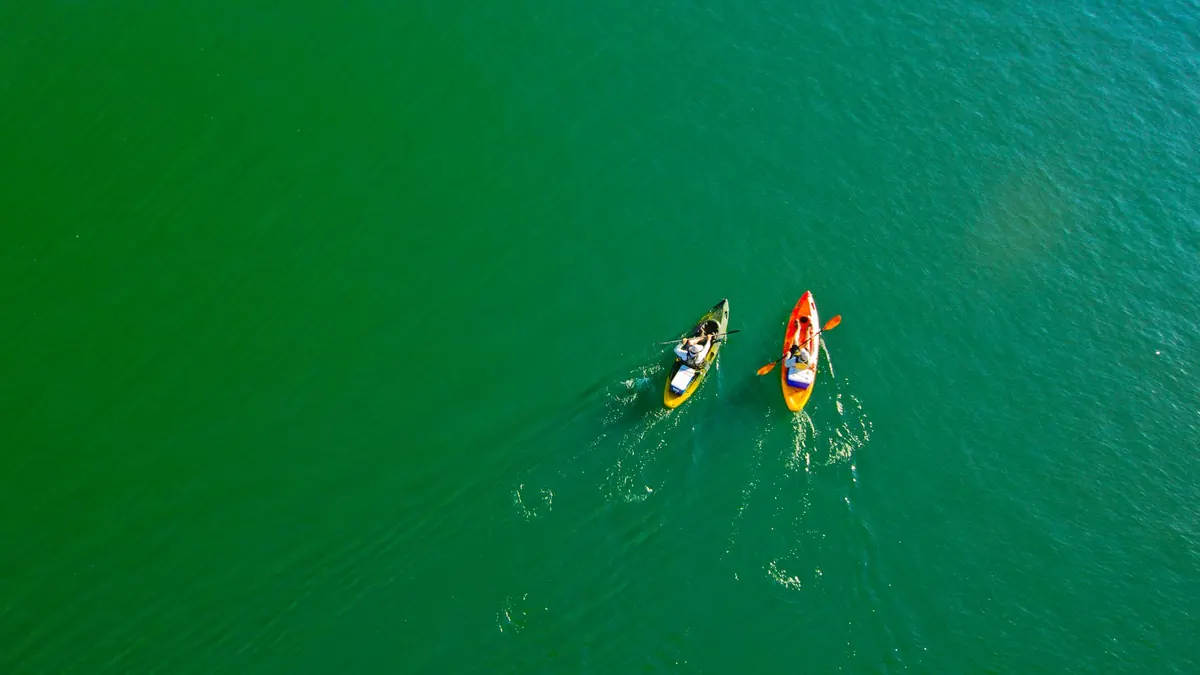
Stand at the put-in of a gentle river on a Saturday morning and you'll see both. Canoes with coolers wedged between bench seats and dry bags stacked to the gunwales. Kayaks slipping through the riffles ahead, paddlers already a bend away. Both get you downstream. Both are a good way to spend a day. But they ask different things of a beginner, and the right answer depends less on which sport is better than on the river you plan to paddle and the kind of day you want to have.
Two Boats, Two Ways Down the River
A canoe is an open boat. You sit or kneel, alone or with a partner, and push the water with a single-blade paddle, switching sides or using a steering stroke to hold a line. You can see everything around you, reach a rope to a swimmer, and stand up to stretch when the river widens.
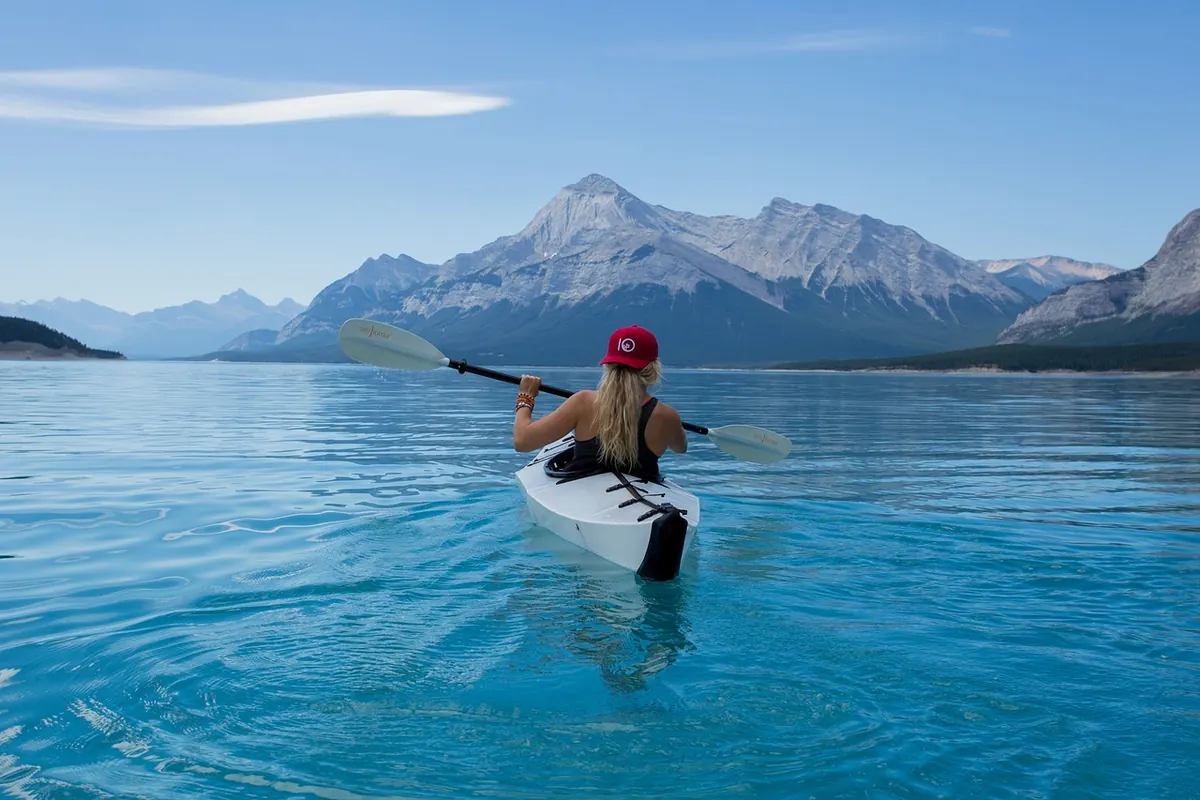
A kayak is decked or partly decked. You sit low with your legs in front of you and pull the water past both sides with a double-blade paddle. The boat closes around you, which keeps water out and warmth in, and which also means you learn to get out of it upside down. That skill is worth practising before you need it.
Stability: Which One Feels Tippier?
Beginners almost always find a canoe steadier for the first ten minutes. Wide, flat-bottomed canoes resist small wobbles, so you can step in, sit down and feel reasonably secure. The catch is what happens past that point. Lean a canoe too far and it goes over decisively, then fills with water, which turns a mild capsize into a heavy, awkward rescue.
Kayaks feel twitchy at first. You sit lower, the hull is narrower, and your hips notice every ripple. Most kayaks firm up as they lean, though, and a sprayskirt keeps the cockpit dry.
- Canoe: strong initial stability, modest secondary stability, swamps if it goes over.
- Sit-inside kayak: softer initial stability, good secondary stability, needs a sprayskirt and a wet-exit plan.
- Sit-on-top kayak: stable and self-draining, easiest to climb back onto, wetter and slower.
Speed and Effort on Moving Water
For the same effort, a kayak is faster. The double blade keeps the stroke continuous, the hull is narrow, and you sit low enough that wind has less to grab. On a river with long flat stretches or a headwind, that gap shows up over a full day.
Canoes are slower, but not by as much as beginners expect when two people paddle well together. A tandem canoe with a settled rhythm covers ground nicely. The awkward case is one person in a big tandem canoe with no ballast: the bow rides high, the wind pushes it sideways, and every stroke needs a correction.
Carrying Capacity and Trip Logistics
This is where the canoe wins outright. A 16-foot canoe swallows two adults, a week of gear, a cooler and a dog, and you can reach all of it while you float. Loading is simple: heavy items in the middle, weight kept low, everything tied in so it stays put if you tip.
Kayaks carry plenty too. Touring models have bulkheads and hatches and cover serious distance, but packing is fussier, with gear squeezed into long compartments in dry bags. Anything strapped to the deck of a sit-on-top gets wet. If your plan involves overnights, a canoe usually means less time stuffing bags and more time paddling.
Portages cut the other way. A kayak can be lifted and carried by one person with a bit of technique, while a loaded canoe is a two-person job unless it's fitted with a yoke.
Comfort Over a Long Day
Canoe comfort comes from freedom of movement. You can shift, kneel, tuck a leg under you, and change position when your back complains. The downside is that kneeling on a hard hull hurts, and plain bench seats offer no support at all.
Kayaks give you better support — a back band, foot pegs, thigh braces — but lock you into one posture. Long-legged paddlers often feel cramped in a sit-inside, and everyone stiffens up after a few hours. In either boat, plan a short break every hour: stand, walk a few steps, drink water.
The Learning Curve
Both boats are learnable in a season, but they reward different skills.
- Kayak basics: forward stroke, sweep strokes, edging, bracing, then a wet exit and a self-rescue in deep water.
- Canoe basics: forward stroke, the J-stroke or a stern rudder to hold a line, draws and pries for turning, and enough tandem communication that you aren't fighting each other.
- Shared skills: reading current, ferry angles, eddy turns, and knowing when to get out and walk.
Kayaking feels easier in the first hour because the double blade is intuitive and you never switch sides. Canoeing feels harder until the J-stroke clicks, usually on the second or third outing. The harder part of kayaking arrives later: staying calm in a capsized boat and getting back in without wearing yourself out.
A canoe gives you room. A kayak gives you range. Beginners do best with the one that matches the trips they'll actually take most often.
How to Choose Before You Buy Anything
Answer three questions and the decision mostly makes itself.
- Who's paddling? Solo most weekends points to a kayak or a solo canoe. Paddling with a partner who wants to talk points to a tandem canoe.
- Day trips or overnights? Overnights, kids and family gear favour a canoe. Fast, light day trips favour a kayak.
- What water? Wide, slow rivers with wind suit kayaks. Gentle rivers, lakes and lazy floats suit canoes.
Then rent before you commit. Paddle both on the same stretch of water, in similar conditions, on different days if you can. A lesson is money well spent, and many outfitters will put the rental cost toward a purchase later.
Two safety habits matter more than the boat you pick. Wear a properly fitted PFD, and dress for the water temperature rather than the air. Practise a capsize in shallow water near shore with someone watching, so the first time it happens isn't a surprise. Check your local rules on PFDs and registration, since they vary by region. And if you have a shoulder, back or heart condition, speak to a doctor before taking up paddling seriously.
The right first boat is the one you'll use often, on water you can handle, with people you enjoy. Everything else is detail.